The trades we write
California construction is many different businesses sharing a job site. A roofer's exposures don't look like an HVAC tech's, and a general contractor's program shouldn't be priced like either one.
Champion writes coverage for each of the trades below, with carrier relationships and underwriting credibility built specifically for the work you do.



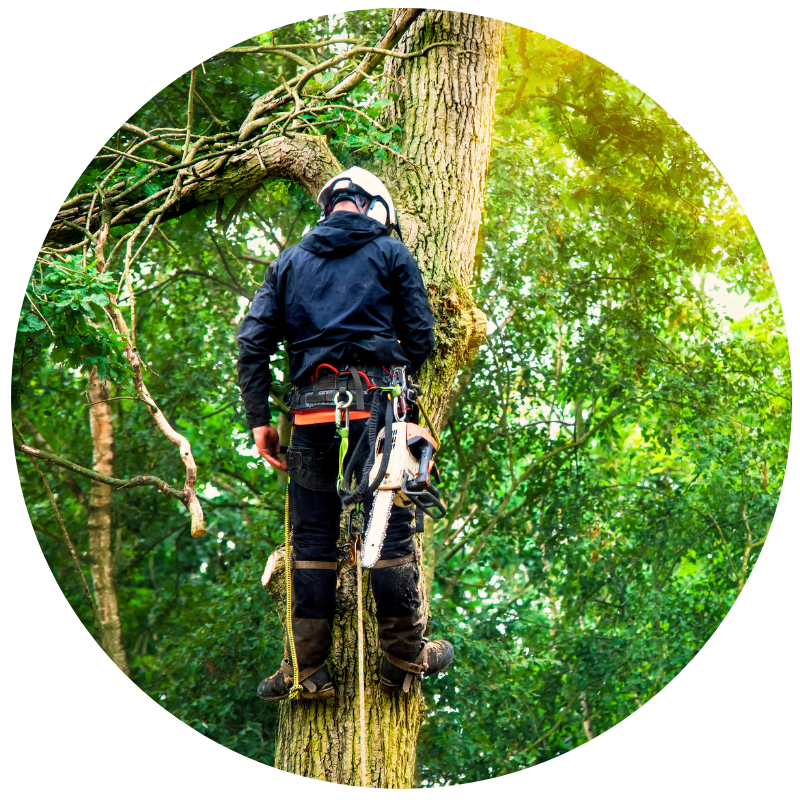
Landscapers & Arborists / Tree Trimming
Landscaping crews and tree work face a different risk profile than most contractors think. Sharp equipment, climbing, chippers, vehicles on the road every day, and crews working in residential yards where one falling limb becomes a property claim. We write coverage for both sides of the business: the maintenance crew and the climbing arborist.
Tree falls onto a house, vehicle, or pedestrian during removal. Crew injuries from chainsaws, chippers, and stump grinders. Auto exposure: heavy daily mileage in residential neighborhoods. Pesticide and chemical application liability.
Some standard general liability policies exclude or restrict tree work, so arborist operations should be fully disclosed and specifically underwritten. Commercial Auto for crew trucks and equipment trailers. Workers' Compensation rated for the right class code. Inland Marine for chippers, stump grinders, climbing gear. Pollution Liability for chemical applications.

CLAIM STORY | Landscapers
GL claim covered after third-party damage to installed work
A landscaper had installed an irrigation system months earlier when a different GC working on site damaged one of the sprinklers. The landscaper cordoned off the area with cones and caution tape. A pedestrian tripped anyway and filed an injury claim. Champion filed the GL claim, coordinated with claimant's counsel, and settled well below demand. Coverage responded as designed. Renewal premium unaffected.
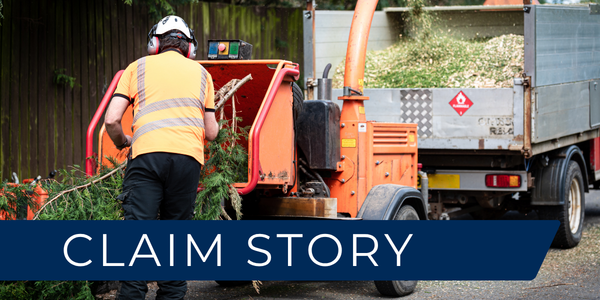
CLAIM STORY | Arborists
$80,000 unauthorized-removal dispute, coverage responded
An arborist working in a high-end neighborhood was asked by an adjacent homeowner to remove a tree. The removal was completed. The homeowner then claimed she'd never authorized it and filed suit for over $80,000. Champion filed the GL claim and coverage responded. The client wasn't left litigating a verbal-authorization dispute out of pocket.
Concrete & Masonry
Concrete and masonry work means heavy materials, crane and pump exposure, structural responsibility, and a long completed-operations tail. A bad pour or a structural defect can come back years later. Coverage needs to be written with that timeline in mind, not just the project itself.
Property damage from concrete placement (overspray, slab failures, hardening on adjacent surfaces). Structural defect claims surfacing years after completion. Crane, pump truck, and heavy equipment operations. Silica dust exposure for crew health.
General Liability with broad completed-operations coverage. Builders Risk for project-specific exposure. Commercial Auto and Inland Marine for pump trucks and equipment. Workers' Compensation with appropriate class codes. Pollution Liability for silica and chemical exposure.
Electricians
Electrical work carries some of the highest property damage and bodily injury exposure of any trade. A faulty connection that doesn't show up for months can become a fire claim, an electrocution claim, or both. Coverage has to assume work can fail invisibly.
Fire from faulty wiring, surfacing weeks or months after the job. Electrocution and arc-flash injuries on the job and to third parties. Property damage from incorrect installations. Tools, testing equipment, and material theft from job sites and trucks.
General Liability with broad completed-operations coverage. Workers' Compensation for high-hazard electrical class codes. Inland Marine for tools and testing equipment. Commercial Auto for service vehicles. Professional Liability where design work is involved.
Plumbers & Water Treatment Installers
Plumbing work means water damage exposure on every job. A loose fitting in a finished home becomes a claim that includes drywall, flooring, cabinets, and mold remediation. Water softener and treatment equipment installation adds product liability layers. We write coverage that recognizes both the visit-based service work and the install side of the business.
Water damage claims from leaks, bad fittings, and improper installation. Mold remediation claims following undetected water damage. Burn injuries from solder and torch work. Product liability tied to water treatment system installations.
General Liability with broad water-damage coverage and completed-operations. Commercial Auto for service vehicles. Workers' Compensation rated for the right class codes. Inland Marine for tools and parts inventory. Product Liability tied to treatment equipment installations.
HVAC Technicians
HVAC work combines refrigerant handling, electrical exposure, rooftop work, and customer property damage risk in occupied spaces. The work is service-call-heavy, which means high mileage, high crew turnover risk, and a steady customer touchpoint. Coverage needs to match the service model.
Refrigerant leaks and EPA compliance exposure. Falls from ladders and roof work. Property damage in customer homes and businesses during service calls. Electrical and fire risk from improper installation.
General Liability with completed-operations and broad property damage coverage. Commercial Auto for service fleet. Workers' Compensation for HVAC class codes. Pollution Liability for refrigerant handling. Inland Marine for tools and diagnostic equipment.
Glaziers
Glazing work means handling expensive, breakable, custom-cut materials at height. One mishandled sheet costs thousands. One falling pane creates a serious injury claim. Coverage needs to account for the materials themselves, the install, and the long warranty tails on commercial glazing.
Property damage from broken or cracked glass during transport and install. Bodily injury from falling glass and frame components. Falls from height during commercial glazing work. Warranty and completed-operations claims on curtain wall and storefront systems.
General Liability with broad completed-operations coverage. Inland Marine for installed materials and in-transit glass. Workers' Compensation with appropriate class codes. Commercial Auto for delivery and service vehicles. Builders Risk for project work.

CLAIM STORY | Glaziers
Break-in claim covered, brand-new tools even for older ones
A glazier's truck was broken into overnight and the small tools inside were stolen. Champion's placement included replacement-cost small tools coverage. The insured's tools were older, but he received brand-new replacements. That's how the coverage was structured to respond.
Pool Builders
Pool construction combines concrete, plumbing, electrical, and structural work in one project, with a finished product that creates a permanent attractive nuisance on the homeowner's property. Defect claims can surface years later. Coverage has to address every trade involved and the long tail.
Structural defect claims (leaks, cracks, equipment failure) surfacing years post-construction. Drowning and attractive nuisance liability tied to install practices. Damage to adjacent landscaping, hardscaping, and structures during construction. Equipment and chemical handling exposure.
General Liability with broad completed-operations and a long-tail focus. Builders Risk for in-progress projects. Workers' Compensation across multiple class codes. Pollution Liability for chemical handling and storage. Commercial Auto and Inland Marine for trucks, trailers, and equipment.
Floor Installation
Floor install work happens in finished spaces where one mistake damages a finished room. Adhesives, moisture issues, subfloor problems, and warranty claims all create exposure. The materials themselves (hardwood, tile, LVT, carpet) can be high-value. Coverage needs to fit the install model.
Damage to finished walls, cabinets, and adjacent surfaces during install. Adhesive and moisture damage claims surfacing weeks after job completion. Material damage during transport and storage. Slip-and-fall claims tied to install conditions.
General Liability with completed-operations coverage for warranty exposure. Inland Marine for material in transit and on-site. Workers' Compensation for install class codes. Commercial Auto for service trucks.
Fencing
Fence work means digging, hitting underground utilities, working near property lines, and dealing with HOA and survey disputes. Material and equipment exposure runs from posts and panels to augers and saws. Coverage handles the install side and the inevitable property-line headaches.
Underground utility strikes during post installation. Property line and survey disputes leading to GL claims. Equipment theft from job sites. Crew injury from saws, augers, and post drivers.
General Liability with broad property damage coverage. Commercial Auto for crew trucks and trailers. Workers' Compensation with appropriate class codes. Inland Marine for tools and equipment.
Roofers
Roofing is one of the highest-hazard trades in construction. Fall exposure on every job, weather-driven scheduling pressure, and a long warranty tail on materials and workmanship. Carriers underwrite roofers carefully. Coverage has to be put together by someone who knows the carrier appetite.
Falls and fall-related fatalities (leading workers' comp loss driver in roofing). Water damage to interior after improper install or storm-driven failures. Material handling injuries (sheet goods, hot work, kettle operations). Hot work and torch-down fire risk.
General Liability with hot-work coverage where applicable. Workers' Compensation with roofing-specific class codes (expect difficult market). Commercial Auto and Inland Marine. Umbrella / Excess for high-severity exposure.
Demolition
Demolition work is high-severity by definition. Falling structures, dust, hazardous materials, and adjacent property exposure on every job. Carriers are selective. Coverage needs to be placed with carriers who actually want demo accounts, and Champion has those relationships.
Damage to adjacent properties from structural collapse or vibration. Asbestos, lead, and hazardous material exposure. Dust and pollution claims from neighbors and pedestrians. Crew injury from falling debris and heavy equipment.
General Liability with property damage and pollution coverage. Pollution Liability (specialty placement). Commercial Auto and Inland Marine for heavy equipment. Workers' Compensation with appropriate high-hazard class codes. Builders Risk and project-specific coverage where required.
Restoration
Restoration work (water, fire, mold, biohazard) means showing up at the worst day of a homeowner's life and being responsible for whatever happens next. Coverage has to address the work, the property, the pollutants, and the contents.
Mold and bacterial claims after water damage remediation. Customer property damage during cleanup. Pollution exposure (smoke, asbestos, sewage). Equipment theft from job sites left unattended.
General Liability paired with appropriate mold, microbial and pollution coverage. Pollution Liability (specialty placement). Inland Marine for drying and remediation equipment. Commercial Auto for response vehicles. Workers' Compensation with restoration class codes.
Janitorial Services
Janitorial work creates a constant low-dollar, high-frequency claim pattern: damaged property, slip-and-falls, theft accusations, and chemical handling claims. The coverage challenge is balancing premium against frequency. Champion writes janitorial accounts that other brokers find awkward to place.
Property damage during cleaning (carpet, electronics, fixtures). Slip-and-falls from wet floors not properly marked. Theft and dishonesty allegations from client sites. Chemical handling and respiratory exposure for crews.
General Liability with broad property damage coverage. Employee Dishonesty / Crime coverage. Workers' Compensation with janitorial class codes. Commercial Auto for crew vehicles. Pollution Liability where chemical use is heavy.
Framers
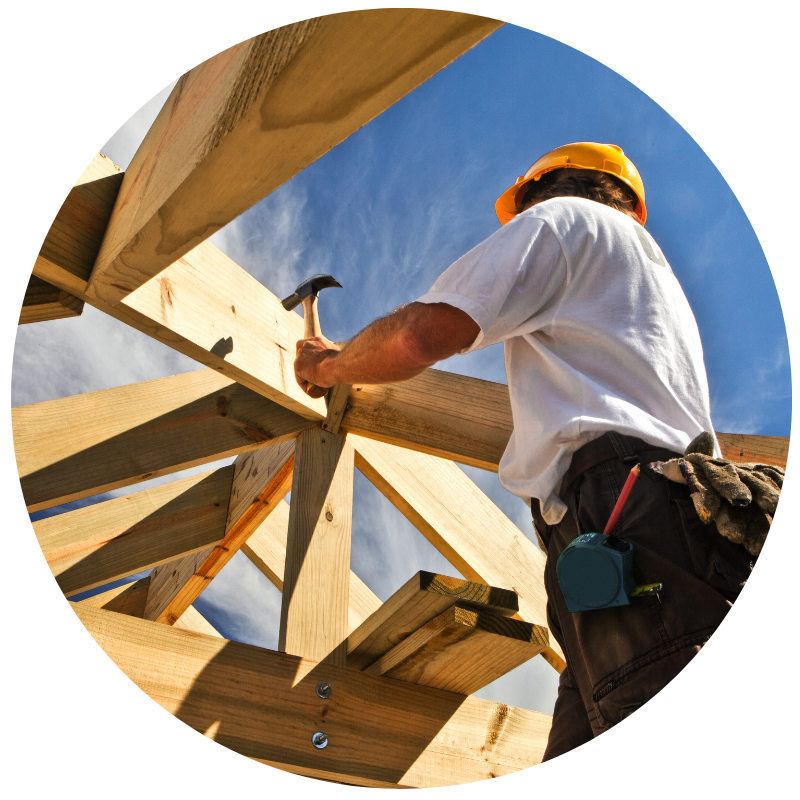
Framing crews carry workers' comp severity, nail-gun injuries, falls, and a structural workmanship tail that can outlast the project by years. Crew-heavy work means class-code accuracy matters. Coverage needs to fit the way the framing business actually runs.
Falls from height during framing and sheathing. Nail-gun injuries to crew and adjacent workers. Structural defect claims surfacing post-completion. Material handling injuries (sheet goods, lumber).
General Liability with broad completed-operations coverage. Workers' Compensation with framing class codes (high severity). Commercial Auto for crew trucks and material delivery. Umbrella / Excess for severity exposure.
Painters
Painting work creates overspray, damage to finished surfaces, fall exposure on residential and commercial work, and respiratory exposure for crews. Interior and exterior projects carry different risks. Coverage has to address both.
Overspray damage to vehicles, landscaping, and adjacent property. Falls from ladders and lift equipment. Respiratory and chemical exposure for crew. Property damage in finished interior spaces.
General Liability with broad property damage coverage. Workers' Compensation with painting class codes. Commercial Auto for crew vehicles. Pollution Liability for solvent and lead-paint exposure (where applicable).
Insulation
Insulation work spans batt, blown-in, spray foam, and specialty applications. Spray foam adds chemical and respiratory exposure on top of standard install risk. Carriers underwrite spray foam contractors carefully. Coverage has to match the materials the business actually uses.
Chemical exposure for crew during spray foam application. Fire risk during install (cellulose, polyiso). Customer health complaints tied to off-gassing. Damage to finished surfaces during install.
General Liability with broad completed-operations and pollution coverage. Pollution Liability (where spray foam is involved). Workers' Compensation with insulation class codes. Commercial Auto and Inland Marine.
General Contractors
GCs carry the risk of every sub on every job, plus their own. Wrap-up programs, additional-insured requirements, indemnity agreements, contract review, and bond program design all sit inside the GC's insurance strategy. We write coverage built for the way GCs actually manage risk across a project portfolio.
Liability for subcontractor work and certificates of insurance management. Project delays, defect claims, and warranty exposure. Bond program design and bid bond capacity. Wrap-up (OCIP / CCIP) program coordination.
General Liability with broad completed-operations coverage. Builders Risk for in-progress projects. Subcontractor Default Insurance (where applicable). Surety: Bid, performance, and payment bonds. Umbrella / Excess Liability sized for portfolio exposure. Professional Liability for design-build work.
Don't See Your Trade?
Not listed? We probably write it.
The 17 trades above are where we have the deepest experience, but Champion writes construction risk across California more broadly. If your trade isn't here, send us the details. We'll tell you straight whether we're the right broker for the work.
The Champion Advantage
Why construction businesses pick us.
We know the trades.
Our team spends their days hands-on with construction businesses, not behind desks reading rate sheets. We sit on industry boards. We show up at the meetings. When a carrier underwrites your account, we already know what's on the floor.
We have the market.
We write coverage with nearly every carrier that serves California construction. Our loss ratios give us leverage on pricing and terms that smaller brokers can't match and bigger brokers don't bother chasing.
We work the claim.
Loss control and claims support are built into the relationship. Mock OSHA audits, safety training, claim advocacy when something goes wrong. The work doesn't stop after you sign the application.
Let's start with a 30-minute review.
Insurance analysis, risk identification, and a clear picture of where your current program stands. If it's airtight, we'll say so. If it isn't, you'll know before renewal.